15 March 2025
LEGO Display Case Buying Guide: Materials, Design and What Actually Matters
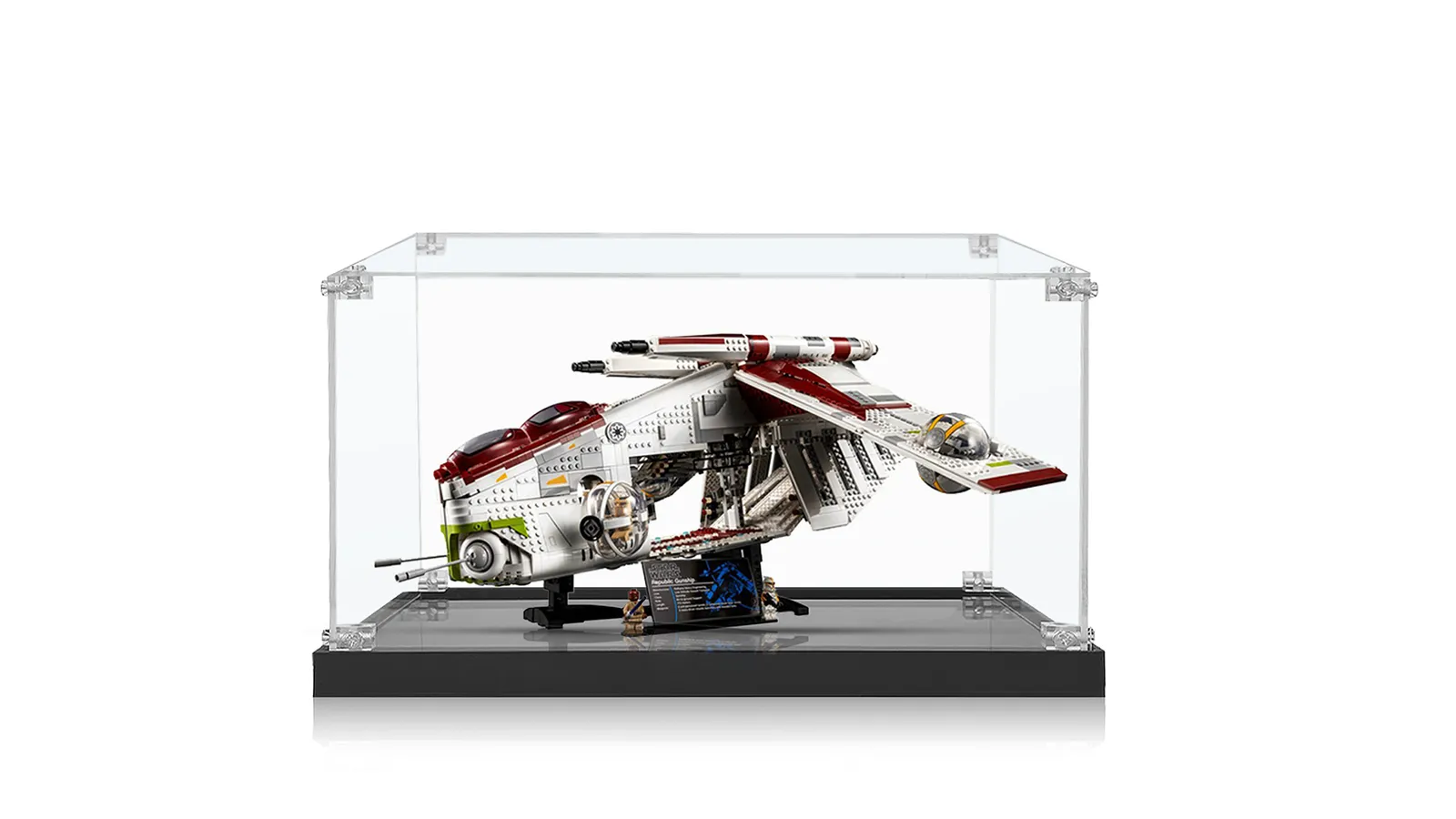
A carefully built LEGO model is more than a finished project - it's something worth showing off. The hard part is picking a display case that keeps dust, sunlight, and accidental knocks away while still suiting the room it sits in. We've pulled together collector feedback and our own experience to walk through the factors that actually matter: material, function, design, and value for money.
Material: Acrylic vs. Glass
Every case starts with its material, and the two main options are acrylic (plexiglass) and tempered glass.
Acrylic: light and hard to shatter, which makes it a safer choice around kids or pets. Collectors tend to like how clear it stays, though it can pick up light scratches over time. One long-time owner told us their acrylic case had protected a Millennium Falcon for five years, with regular cleaning using a proper acrylic-safe cleaner to keep scratches at bay.
Tempered glass: feels more premium and resists scratching better, but it's heavier and pricier. One collector said their Disney Castle looks like a museum exhibit behind glass, though they had to reinforce the wall before mounting it because of the extra weight.
Where things go wrong: cheap acrylic can warp in humid rooms, and poorly sealed glass cabinets tend to collect dust along the seams.
Function: Dust Protection and UV Resistance
The real threats to a LEGO model aren't hands and play - they're dust and UV fading. A good case should cover both:
A properly sealed build: magnetic or snap-fit lids keep dust out effectively. As one collector put it, open shelves need dusting every week, while a sealed acrylic case only needs a quick wipe every six months or so.
UV-protective coating: this matters most for red, dark blue, and other colors prone to fading. One buyer noticed the red bodywork on their Ferrari SF-24 fade noticeably within six months when the case they bought had no UV protection, and the seller simply called it "natural aging."
Lighting done right: some higher-end cases add built-in LED strips, which is a nice touch as long as the lights themselves are UV-free. Warm light suits wooden or vintage-style builds, while cool light tends to flatter sci-fi sets.
Size: Getting the Fit Right
LEGO sets range from tiny to enormous - think micro cityscapes up to a 75cm Titanic - so getting the sizing right matters more than people expect.
Custom sizing: large builds like the Colosseum or a roller coaster set usually need a case made to measure. A good rule from experienced builders: measure the model and add 2-3cm of clearance so fragile parts like antennas aren't squeezed against the walls.
Modular setups: expandable wall systems, grid panels paired with acrylic covers, work well for collections that keep growing. One collector used a modular shelf setup to organize an entire Harry Potter series by scene, adding new sets without rebuilding the whole layout.
A common frustration: some "universal size" cases fit poorly in practice - a spherical build like the Death Star, for instance, doesn't sit well in a plain square cabinet.
Installation and Upkeep: Ease of Use Matters
Even a great case ends up gathering dust if it's a hassle to set up or clean.
No tools needed: snap-fit or magnetic designs are the easiest to live with. One parent said they had a display shelf set up in ten minutes, simple enough for their child to help safely.
Cleaning shouldn't be a chore: removable panels or anti-static coatings cut down on maintenance. One owner complained that a one-piece case forced them to clean corners with cotton swabs, which is far from practical.
Watch for hidden costs: budget cases sometimes skip instructions or hardware entirely, leaving you to buy glue, screws, or other bits separately.
What Collectors Say: The Good and the Bad
Looking across marketplace and social media feedback, a few themes come up again and again.
What people praise:
Strong dust protection from a properly sealed design.
A "museum piece" look, usually down to clear material paired with good lighting.
Patient, helpful support when customizing an order.
What people complain about:
Sizing that's off, such as a Batmobile that simply didn't fit - a quality control issue.
Acrylic yellowing within a month, a sign of poor material quality.
Glass door hinges that loosen quickly, usually a design flaw.
Our Buying Advice: Match the Case to Your Needs
Just starting out: a basic acrylic case (IKEA's KUGGIS line is a common example) offers solid value for small to medium models, usually under $50.
Serious collectors: a custom glass cabinet (Wicked Brick is one option) with UV protection and LED lighting is worth the investment for long-term display.
Tight on space: wall-mounted frames (Nicpro's magnetic cases, for example) save floor space and make it easy to rearrange your layout.
Things to check before buying: always read the return policy, since some custom orders can't be returned without a reason. Look for a warranty too - the better brands typically cover a year or more.